5 Tips To Conquer Performance Anxiety (For Musicians)

96% of musicians report feeling anxious and nervous during a performance, but there are strategies to help conquer the fear for good.
Music performance anxiety (MPA) is a natural, emotional, and physiological response to the stress of public performance. This potentially debilitating response affects individuals of all ages and at any stage in their musical development. It ranges from those just beginning to learn an instrument, to experienced musicians with many years of experience.
Music performance anxiety (MPA) is a natural, emotional, and physiological response to the stress of public performance. This potentially debilitating response affects individuals of all ages and at any stage in their musical development. It ranges from those just beginning to learn an instrument, to experienced musicians with many years of experience.
Unfortunately, this type of anxiety can be crippling to a musician. It can interfere with their creative expression and overall performance. The good news is that there are strategies a person can use to conquer their fears for good. We'll share our five tips to conquer performance anxiety so musicians can take their career, or hobby, to the next level.
What Is Performance Anxiety?
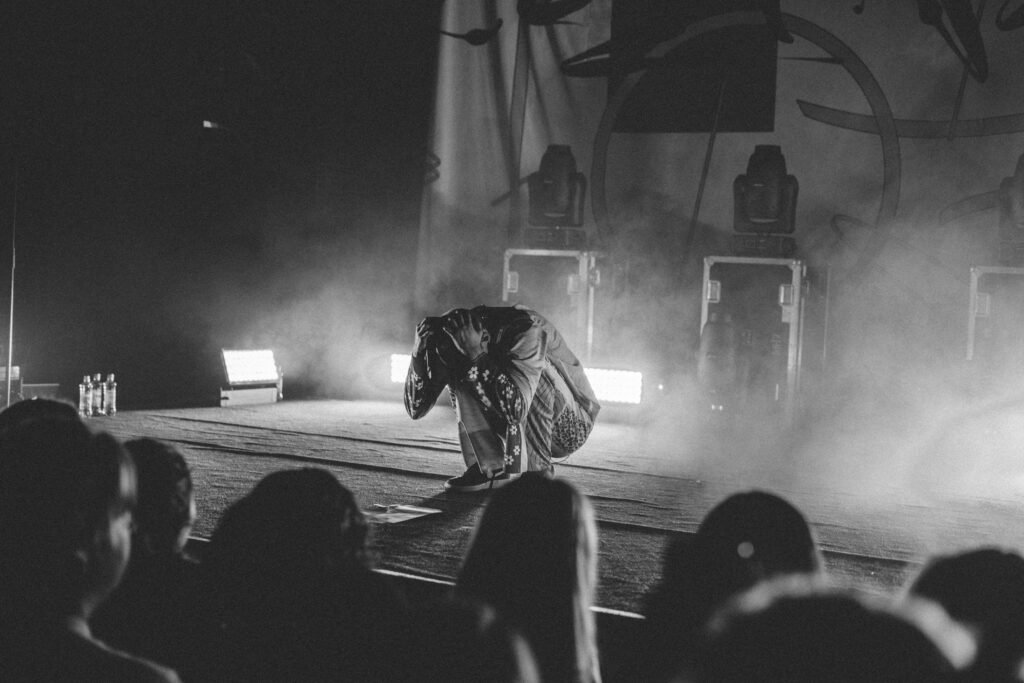
Performance anxiety, also known as stage fright, is the fear of performing in front of an audience. This fear may manifest itself in a variety of ways. Some may experience physical symptoms such as trembling hands or blushing. Or they may experience cognitive issues like overwhelming thoughts that they will fail.
Understanding Performance Anxiety in Musicians
96% of musicians in this study report feeling anxious and nervous during a performance. The intensity of this anxiety can vary, ranging from mild feelings of unease to debilitating fear and panic. Regardless, it's clear that performance anxiety is a common issue that the majority of musicians face.
Stage Fright Symptoms
Elevated Heart Rate / Rapid Breathing
Fear of the stage can most often lead to a physical response. A person may experience a racing heart and increased breathing rate, which can be stressful and debilitating for those who experience it.
Shaky Hands and Voice
Symptoms of stage anxiety may seem uncontrollable. This can include trembling hands or an unsteady or shaky voice during a performance. Experiencing these symptoms during a music performance can lead to decreased focus. Which can result in an unpleasant performance.
Dry Mouth / Tight Throat
These physical symptoms are also quite common among performers with stage anxiety. They may be feeling throat tightness and dry mouth, making it difficult to speak or sing.
Sweaty Palms
Sweaty palms are another symptom of stage fright. It can leave a person feeling embarrassed or uncomfortable during their performance. Excessive sweating in the palms can make it even more difficult for performers to confidently execute.
Nauseous Stomach
Although the feeling of nausea on stage is unpleasant, it’s not uncommon. This can be due to a combination of physical and mental stress. Alas, it can have a significant impact on the quality of a musician’s vocals.
Changes in Vision
Many with stage fright experience vision changes, such as tunnel vision or blurred vision. This can affect their ability to read music on stage or focus on the crowd.
Causes of Stage Fright
The causes of stage anxiety vary from person to person. But, generally, they include fear of judgment, lack of self-confidence, and perfectionism. People often feel anxious that they will make mistakes when in front of an audience. Fear of failure can also be a factor in severe cases of stage fright.
How Long Does Performance Anxiety Last?
The length of time that performance anxiety lasts for varies from person to person and situation to situation. For some individuals, it can occur days, weeks, or even months before the show. For all these reasons, stage anxiety represents a considerable health and social problem for performers.
5 Ways to Reduce Performance Anxiety Before a Performance

Stage fright can be a major obstacle for musicians during performances. Do you often fear making mistakes or receiving harsh judgment in front of a crowd?
Although it can seem overwhelming, there are several strategies you can use to reduce stage anxiety for good.
Ensure You Are Well Prepared
Being prepared for your performance is essential. It can help to reduce your nerves and boost your confidence levels. Make sure you have had plenty of time to practice the music beforehand so that you know what lies ahead. As they say, practice makes perfect.
Positive Visualization
Visualization is a powerful tool that can help you prepare for any performance. Before the show, take some time to imagine yourself achieving success on stage. Picture your audience’s faces as they enjoy and applaud your performance.
Practice Mindfulness Techniques (Breathwork and Meditation)
Take time out of your day to practice mindfulness techniques. For instance, try deep breathing or meditation to help you feel more relaxed and focused before the show. Make sure you are in touch with your body to ensure that you remain calm and present during the performance.
Let Go of Perfection
Remember, perfectionism is not necessary for an amazing performance. All it takes is your passion and confidence. Accept that mistakes can happen, and focus on the beauty of the music, rather than any small errors you may make.
Imagine The Audience As Friends, Not Enemies
You are there to share your art with others. So try to think of the audience as an extension of yourself, rather than a group of strangers. This will help you feel more connected with them and reduce feelings of anxiety.
The Bottom Line
By following these strategies, you can not only learn to manage your music performance anxiety, but, enjoy a more positive experience when facing an audience. While it may take practice, attempting these methods can take a musician's career or hobby to new heights. It can also create a memorable performance that will leave an audience wanting more.
If you're looking for evidence-based mental health resources to help manage stage fright and other music performance anxieties, TAO offers self-guided sessions that can help. Our subscription option for self-guided modules can be used by those seeking to improve their mental health.
For faculty interested in supporting their students with these issues, TAO provides curriculum enhancement modules that are easily integrated into an existing Learning Management System (LMS). With our help, individuals have access to the tools they need to create positive change in their lives.
References Zakaria, Juwairiyah Binti, et al. “Preface.” Procedia - Social and Behavioral Sciences, vol. 135, 2014, p. 1, https://doi.org/10.1016/j.sbspro.2014.07.315. Gómez-López B, Sánchez-Cabrero R. Current Trends in Music Performance Anxiety Intervention. Behav Sci (Basel). 2023 Aug 29;13(9):720. doi: 10.3390/bs13090720. PMID: 37753998; PMCID: PMC10525579. Szeleszczuk Ł, Frączkowski D. Propranolol versus Other Selected Drugs in the Treatment of Various Types of Anxiety or Stress, with Particular Reference to Stage Fright and Post-Traumatic Stress Disorder. Int J Mol Sci. 2022 Sep 3;23(17):10099. doi: 10.3390/ijms231710099. PMID: 36077489; PMCID: PMC9456064.